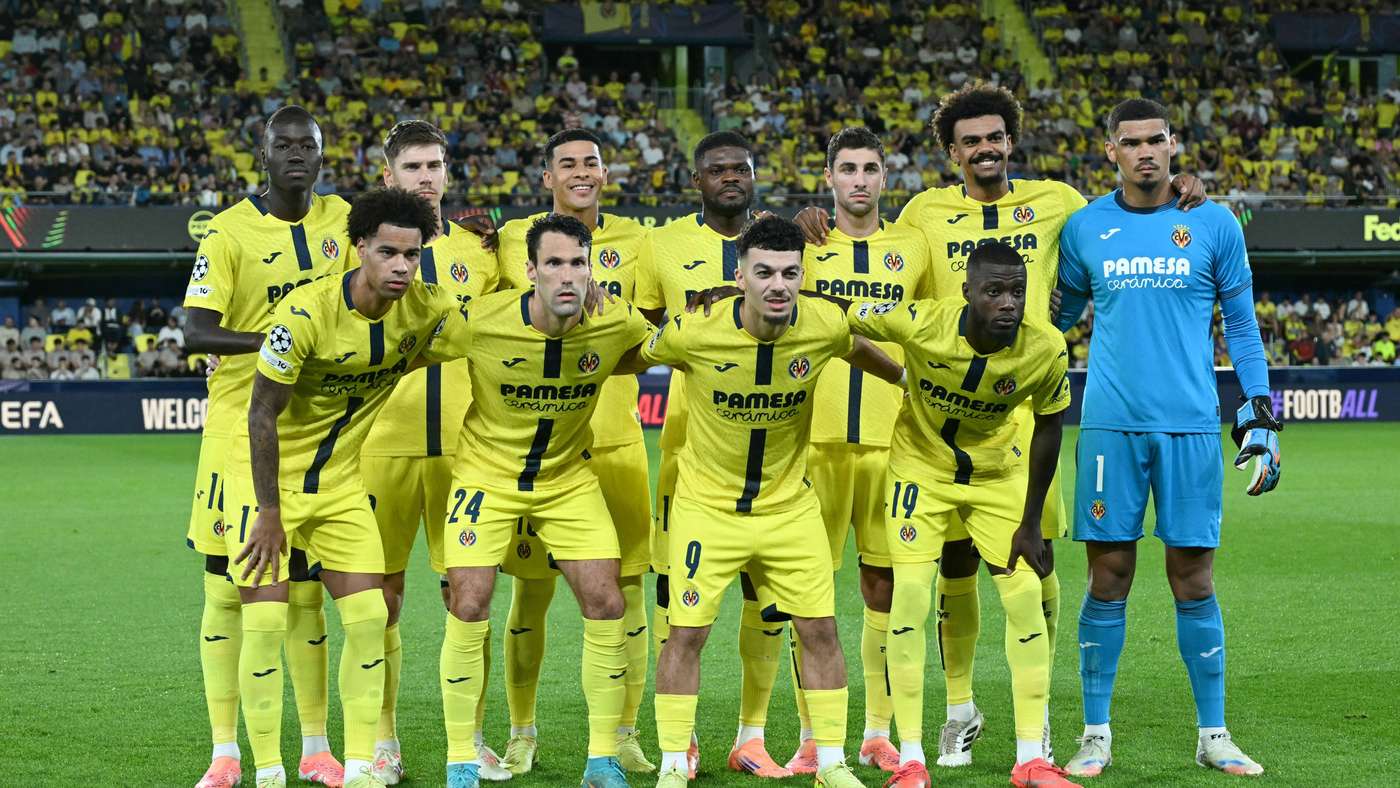
La Liga on the Brink: Courts Take Center Stage in the Barcelona–Villarreal Miami Saga
23 October 2025

Escalation between La Liga and the players over the Miami plan
La Liga announced it would pursue legal action against the protest that interrupted last weekend’s matches—a 15‑second stoppage in solidarity with Barcelona and Villarreal’s planned game in Miami. The event was later canceled on Tuesday, intensifying a dispute that now heads to the courts.
In a joint session between Javier Tebas, the league president, and David Aganzo, head of the players’ union, officials described the protest as a “partial stoppage,” while the players’ federation called it a symbolic gesture. The league had warned it would assess potential damages and sanctions for individuals and clubs alike.
Sources cited by AS indicate Tebas informed the players’ union that the final decision would be resolved in court, even as the federation maintained the protest carried no legal risks and was carefully planned. The session also reviewed details of a non‑profit project for a formal match in the United States, though the discussion did not deeply dive into players’ rights and working conditions beyond travel and accommodation logistics.
Meetings, legal avenues, and the Miami plan’s fate
David Aganzo stated after the meeting that Tebas’s stance is that the matter will be decided in the courts, adding that the session should have occurred much earlier. He noted the absence of the CSD, stressing that the crisis requires broader institutional dialogue.
The proceedings marked a shift from dialogue to judicial scrutiny, with the parties eyeing the implications for the sport’s governance and the legality of the protest itself as the discussion moved toward a potential future in the courts.
Compensation promises and the future of a global La Liga
The session also touched on plans to stage a high‑profile match in the United States. La Liga presented the project as non‑profit from its perspective, while detailing travel, lodging, and audience engagement logistics. Villarreal issued a formal statement signaling full agreement to relocate the match to U.S. soil and outlining compensation measures for local supporters.
The club’s release promised live broadcast on official channels and enhanced fan content. It also described a package of compensations: Villarreal would cover travel costs for fans wishing to attend in Miami, while season-ticket holders who choose not to travel would receive a 30% discount on their subscriptions. Moreover, promotional activities would unfold in several American cities ahead of the game, featuring interactive experiences to showcase La Liga’s history and its ambassadors.
The league emphasized that the Miami venture was designed to broaden the competition’s international footprint and to deepen ties with the U.S. market, with Tebas arguing that the venture would bring benefits for clubs, players, and fans alike, beyond a single event.
Villarreal’s stance and the broader outlook
Villarreal’s statement reinforced its agreement to move the match to the United States while pledging to protect their Spanish supporters’ interests. The release highlighted coordinated broadcasting plans and ongoing fan engagement initiatives that would accompany the move, including opportunities to meet former players and officials in promotional programs across the United States.
As the controversy unfolded, there was broad acknowledgment that the project could redefine how Spanish football brands itself internationally, even as critics warned about undermining domestic competition or creating a precedent for future international fixtures.
Ultimately, La Liga canceled the Miami match, citing uncertainty within Spain as a key factor, and signaling a pivot back toward domestic priorities while signaling openness to continued global expansion initiatives. The statement stressed that the decision was made to protect competition integrity and avoid a protracted legal stalemate, with both clubs remaining central to ongoing discussions about governance and international outreach.
Fans and analysts alike are watching to see how courts will interpret the legality of the players’ actions and what precedents may emerge for future protests and international ventures. The clubs and the league, meanwhile, are poised to navigate a complex landscape of sponsorship, broadcasting, and international strategy as they seek to balance national interests with global ambitions.
Two punchlines to close: 1) If lawyering were a sport, Tebas would be chasing a golden boot with every filing—courtroom drama never looked so well-dressed. 2) In football, the scoreboard may lie, but the law doesn’t—apparently the only thing going over the line this time is the line item in the budget. And yes, the only red card here might be the calendar for the next hearing, so bring a watch and a sense of humor.