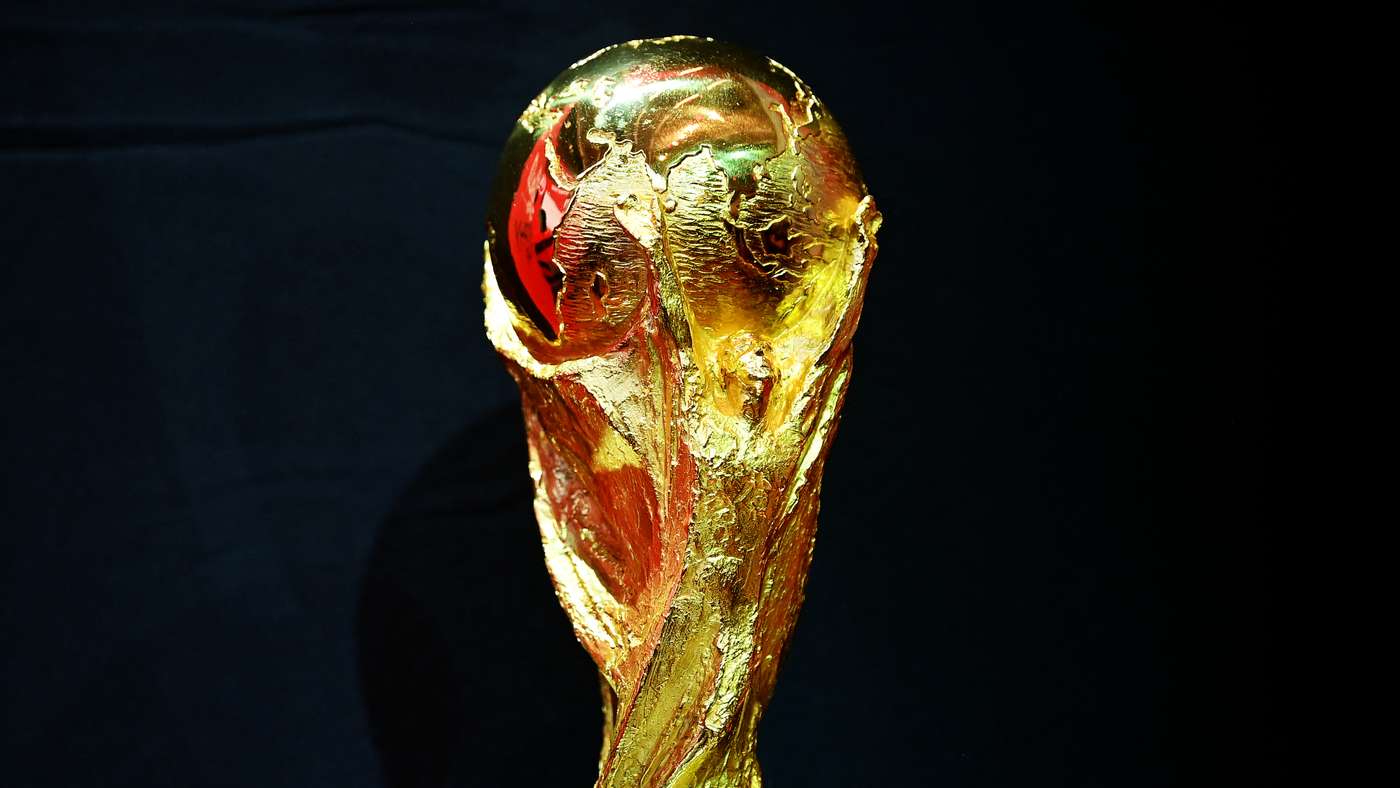
The 24-Year Silence: Brazil's World Cup Drought and its Identity Dilemma
6 January 2026
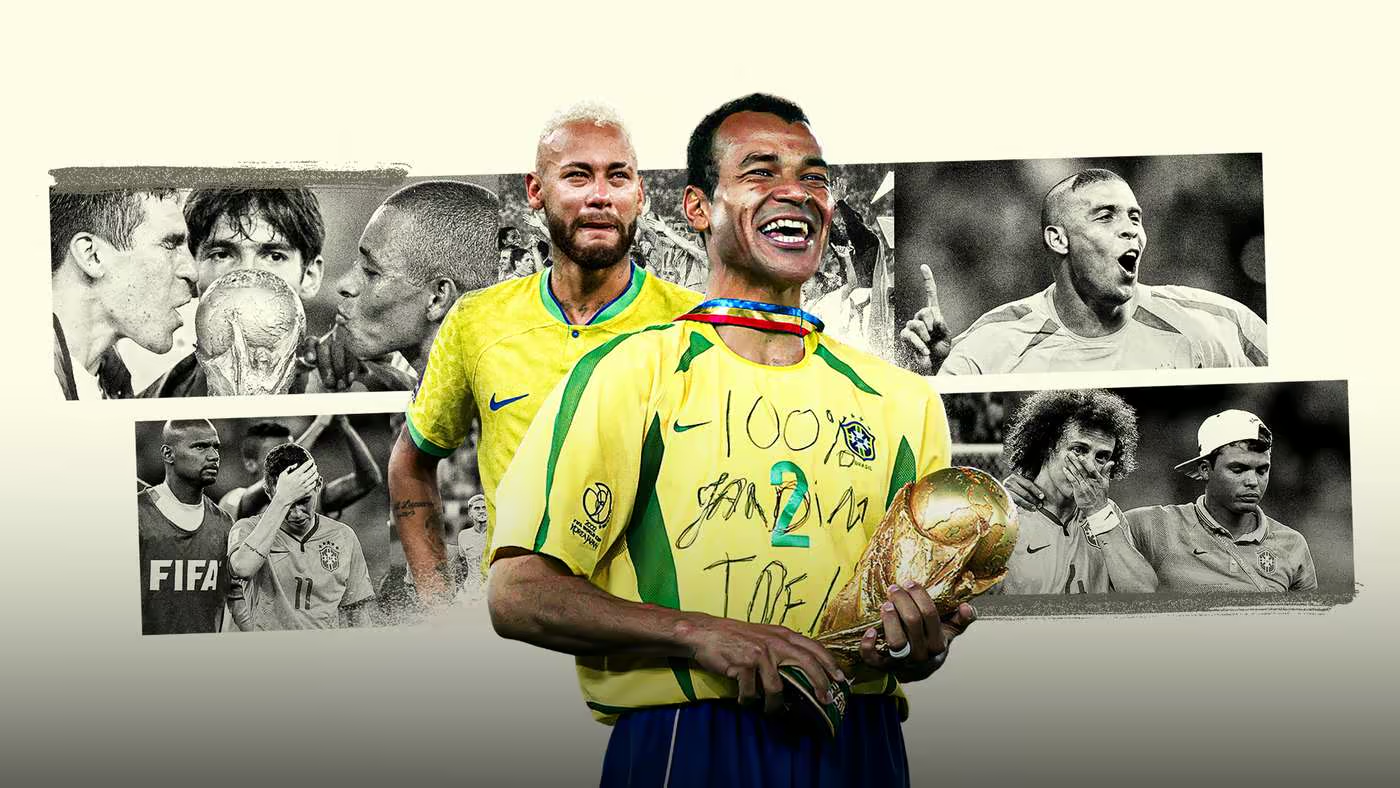
The World Cup wait for Brazil mirrors a chasm between a storied past and a present still trying to define itself. The 2026 edition promises certainty to some, yet for Brazil it may mark a turning point either sealing a long awaited sixth star or prolonging a painful drought. Brazil has not lifted the trophy since 2002, a 24 year gap that echoes the intervals between 1970 and 1994.
From the Pele era to today, Brazil has been inseparable from a defining footballing identity that is as iconic as the yellow shirt itself. The memory of the 1950 Maracanazo still lingers as a symbol of heartbreak and resilience, reminding the nation that glory and pain can wear the same jersey.
A Different Kind of Drought
The drought now is not only about numbers. It is about a brand, a self image, and a generation that spent its prime years abroad. The five World Cups that followed 1994 produced no title, while the country’s confidence wavered and leadership drifted as Europe beckoned its brightest stars.
In 1974 Brazil faltered against the Dutch revolution led by Rinus Michels; in 1978 Argentina captured the trophy on home soil; in 1982 a brilliant side captivated the world yet fell short; in 1986 a penalty shootout to France ended their hopes; in 1990 Italy knocked them out, before 1994 finally delivered the long awaited crown. These chapters reflect a history of brilliance interlaced with heartbreak, glory mixed with pain that continues to echo in the present.
No More Smiles
The Brazilian federation did not simply brood. They handed the reins to Dunga in 2006, aiming for discipline and grit. The results were mixed: Copa America and Confederations Cup trophies came, but the team lost its swagger. Ronaldo retired; Ronaldinho and Adriano faded; a generation gap opened as young talents blossomed elsewhere in Europe, leaving a leadership void at the national team.
Then Neymar emerged as both symbol and burden. The 2010s saw the team stumble through injuries and inconsistency, with the 2014 semi final catastrophe amplifying the pain, and 2018 memes highlighting the theatrics that accompanied a painful exit. In 2022 the script repeated itself in Qatar, as the team again fell short in the knockout stages.
Neymar... the Lost Samurai
One wonders how far that golden generation could have gone if Adriano, Kaká, and Ronaldinho had stayed at their peaks. By 2010 injuries and aging dimmed their light. Neymar carried the burden for years, and since 2014 the national team has been “Neymar and ten others,” a squad brilliant at times but lacking true continuity and mentorship.
Even as the team flashed moments of brilliance, injuries and political missteps hampered a clear path to glory. The country s football culture, from club to national team, has wrestled with a balance between athletic brilliance and cultural identity.
Identity Crisis
Since 1994 quarterfinal exits became a grim pattern; 2014 s disaster remains a stark reminder of how quickly luck, form, and cohesion can unravel. With Fernando Diniz briefly at the helm and Ancelotti arriving as the first foreign coach to lead Brazil at a World Cup, there is a symbolic shift away from domestic coaching tradition. Leadership now rests with Neymar s generation, with Vinícius Júnior, Rodrygo and veterans such as Casemiro taking on the task of guiding the team forward.
The questions multiply with every World Cup: should Brazil embrace freedom like 2006, or enforce discipline like 2010? Can Brazil win without Neymar? Are there world class stars left to carry the flame? Is a foreign coach the only path back to glory? Answers vary, but the mood is increasingly anxious, wrapped in a drought that has become part of the national story.
If the 24 year gap between titles reveals pride in what Brazil has produced, this longer stretch reveals something else: identities are built over time, and this drought has started to erode Brazil s sense of self, piece by piece. Since the fifth title, the Selecao has not been the enchanting force it once was. What defines them now remains in flux. Brazil remains the most successful World Cup nation, but is rarely among the real contenders. The wait for another crown is heavy; all that remains is to see what 2026 will write.
Punchline 1: If Brazil s identity were a sniper, it would shoot the messenger and still miss the target, all with style. Punchline 2: And if 2026 does not bring the trophy, at least Neymar will have another chapter of survival in the world s most dramatic football soap Opera.