When Rumors Roar: Manchester United and the Saudi Spark That Could Reshape Old Trafford
9 October 2025
Background
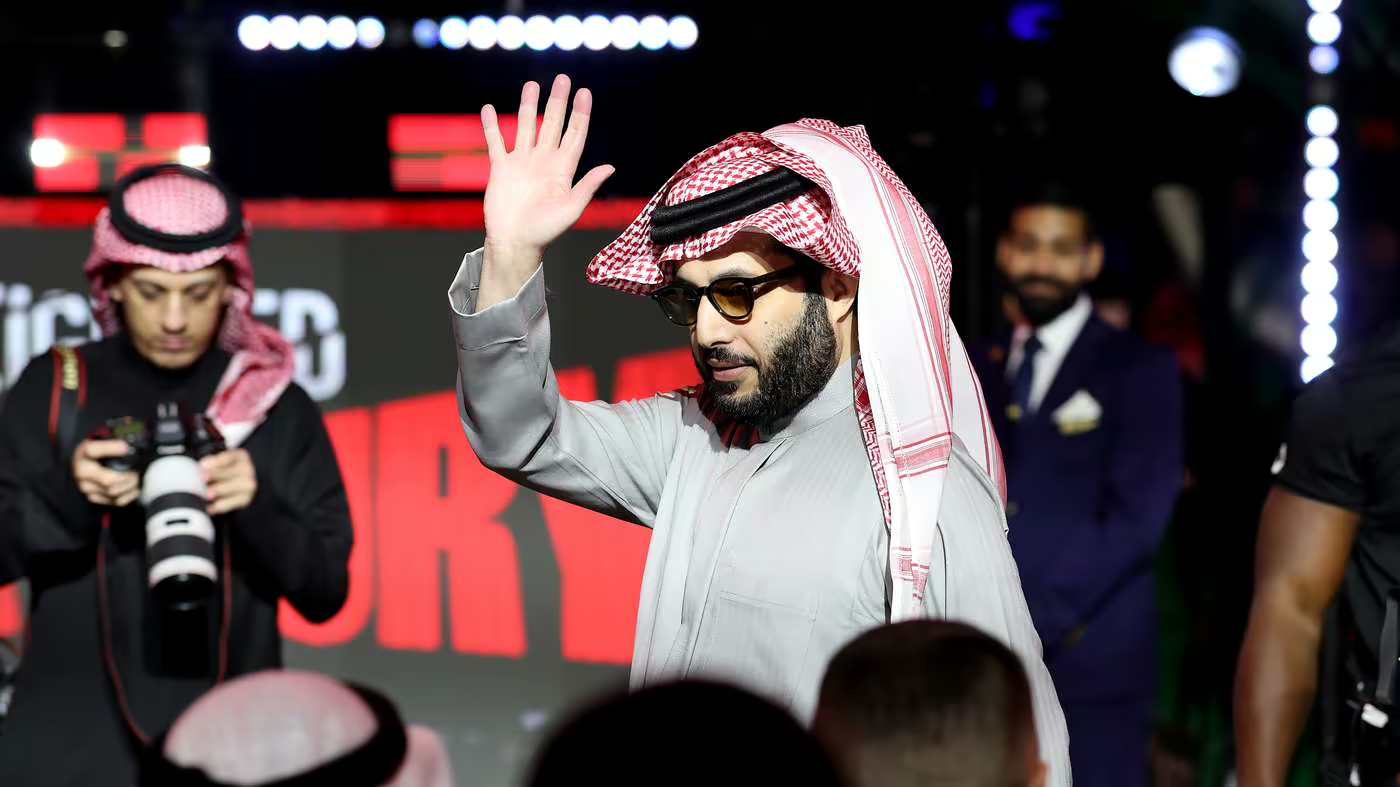
In recent hours, strong rumors have circulated about Manchester United possibly being sold again. Club sources insist they are not aware of any ongoing takeover talks. The chatter followed a cryptic post from Turki Al-Sheikh, the Saudi businessman who heads the General Entertainment Authority, suggesting the club was “in an advanced stage of negotiations” to sell to a new investor, triggering a wave of speculation across the UK and beyond.
Al-Sheikh wrote on his official social channels: “The best news I heard today is that Manchester United is in an advanced stage of completing a sale to a new investor... I hope it is better than the previous owners.” The message was brief, but it lit a fuse; United officials told the Daily Mail they had received no formal or internal notice of any sale discussions.
While Al-Sheikh is known for wide-reaching sports connections and for organizing major events like Riyadh Season, sources say his current talks with United are limited to the possibility of arranging a friendly in Saudi Arabia, not a sale.
Meanwhile, Sir Jim Ratcliffe, who already holds 27.7% of the club in a deal valued at about £1.3 billion with the Glazer family, faces a drag-along clause that could, under certain conditions, allow the Glazers to push a full sale without Ratcliffe’s consent. The clause took effect on August 13. The Glazers could theoretically negotiate a sale to new buyers without Ratcliffe or the club’s current management being aware, though no solid evidence has emerged of such talks.
There has also been talk in British media about a potential pre-season match in the Riyadh season, possibly against Al Hilal or Al Nassr, or a showcase against stars from the Saudi league. The fixture could be valued at over £10 million, offering a significant financial upside as United seeks to improve commercial revenues after a challenging year.
Since becoming a partial owner, Ratcliffe has overseen cost-cutting measures that reportedly resulted in around 450 job losses. In an interview with The Business Podcast, he explained: “Costs were very high. There were wonderful people at Manchester United, but also a level of bureaucracy and mediocrity at times. I was criticized for scrapping free lunches, though I don’t recall anyone offering me a free lunch in my life.” He added: “The strongest link between results and external factors is profitability. The more liquidity you have, the better you can build a top squad. So we spent the first year putting the club on a healthy, sustainable footing.”
Manchester United reported a record revenue of £666.5 million for the year to June 2025, but still posted a net loss of £33 million due to missing the Champions League and ongoing restructuring. Ratcliffe insisted the full benefits of the restructuring would come later: “United could become the world’s most profitable club, powering a long-term project that sustains on-pitch excellence.”
On the pitch, the club endured a difficult season, finishing fifteenth in the Premier League with 37 points from 34 games under manager Rubén Amorim. Ratcliffe has emphasized patience and rejected the notion of quick-fire dismissals: “Rubén did not have his best season, but he needs three years to prove himself. You can’t manage a club like Manchester United on a reaction to a newspaper or a critic.”
All told, Old Trafford sits at a crossroads between rumor-driven volatility and a serious attempt to build a sustainable sporting project. Whether the Glazers will exercise the drag-along right and trigger a fresh ownership shift remains to be seen, while Ratcliffe presses ahead with a long-term plan to restore United to the summit and everyone watches to see if a new, Saudi-backed owner could soon join the story.
In the meantime, press chatter continues to swirl about a potential high-profile fixture in Riyadh, underscoring the club’s aggressive pursuit of revenue growth as it navigates a tricky financial and competitive landscape.
Implications and Outlook
In short, the situation blends corporate leverage, global sport diplomacy, and a club striving for a sustainable financial model while attempting to reclaim its competitive edge. The coming months will reveal whether Turki Al-Sheikh’s hint is a spark or a smokescreen—either way, Old Trafford remains under the global spotlight.
Punchline 1: If this deal goes through, United may finally learn that “sale” isn’t just a transfer market term—it’s a transfer of attention, with more coffee in the boardroom than ever before.
Punchline 2: If the Glazers drag along a full sale, the club might just hire the buyer who brings the best snacks to the negotiating table. Because in football, snacks are the real motivators.