
Algerian Fan Sparks New Twist in Senegalese Fans’ Morocco Detention Saga
30 March 2026
From Celebration to Courtrooms
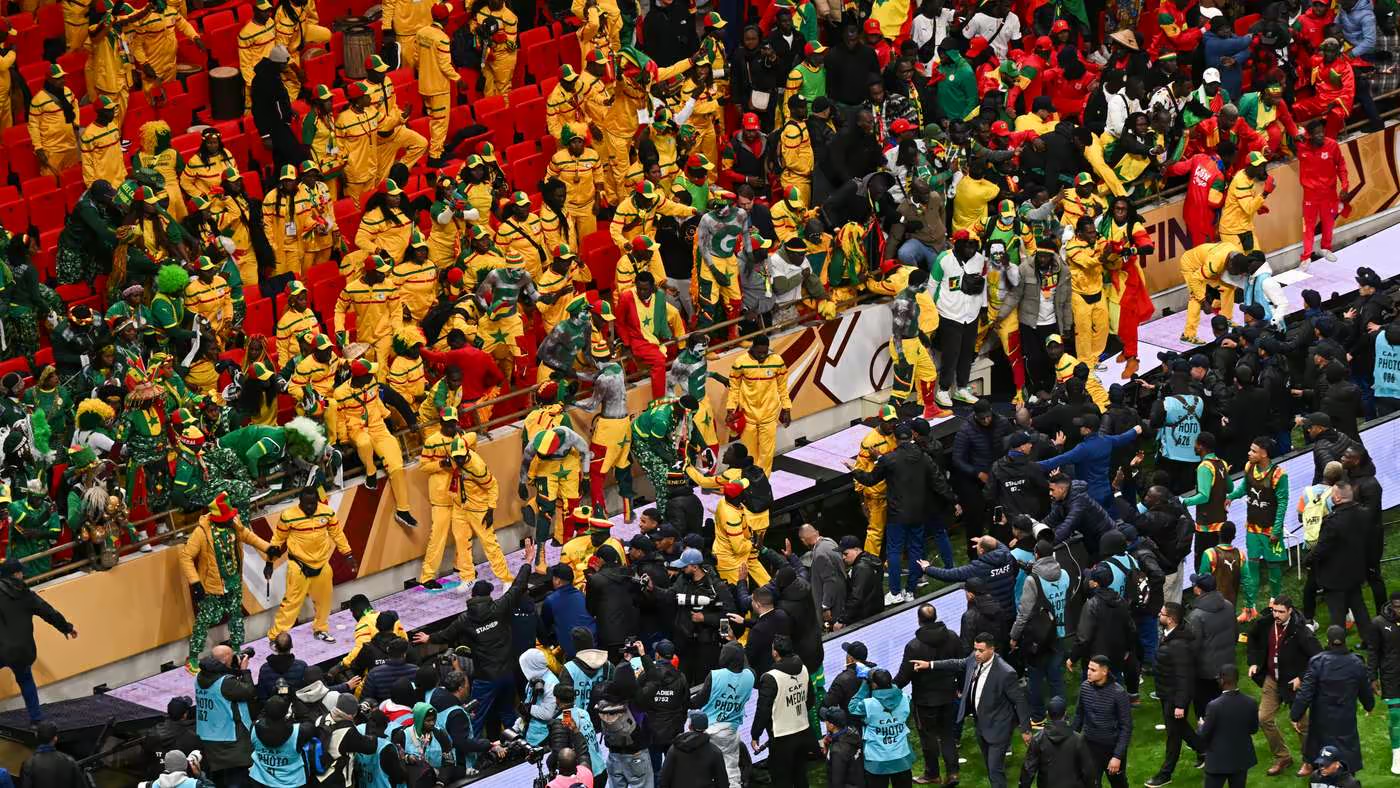
Since the final whistle of the 2025 Africa Cup of Nations in Rabat, the fallout from one of the tournament’s most controversial matches has kept echoing through courts and capitals. The Senegalese team claimed the continental title with a 1-0 victory over Morocco in extra time, but the celebration soon gave way to a legal crisis that has touched players, fans, and governments alike.
As fans spilled onto the stands, what began as festive joy quickly morphed into a legal ordeal. Twenty-six hours after the match, Moroccan authorities detained a number of Senegalese supporters on charges tied to disturbances in the stadium. In the days that followed, prosecutors and courts began to map out the case against the fans, drawing reactions back in Dakar and beyond.
The human side of the tale
On January 18, the Rabat venue—once a stage for celebration—was also the scene of investigations that would ultimately see 18 fans sentenced in the ensuing days to prison terms ranging from three months to a year. The verdicts triggered anger in Senegal, where officials argued that the punishments were severe and not proportionate to the events on the night.
Read also: Senegalese football in shock after a tragic incident
In parallel, the Senegalese government confirmed it was closely following the file, with a team of lawyers representing the fans, backed by the Senegalese embassy and consulate in Morocco. The case was not only about individual punishments but also about how national teams’ supporters are treated when the game spills over into the legal arena.
Rivalry touches the courts
The saga intensified as the African confederation’s appeals committee decided on March 17 to award the win to Morocco for administrative reasons, despite Senegal’s on-field victory. The decision sparked discontent in Dakar and prompted the Senegalese federation to lodge a formal appeal before the Court of Arbitration for Sport, accusing the process of double injustice for both the team and its fans.
Delay and ongoing questions
As the Lok Sabha? No, as the CAF appeal hearing loomed in Morocco, it was postponed to April 13 at the request of one of the defendants who holds dual French-Algerian nationality, according to Senegal’s foreign affairs correspondent. That postponement means the eighteen supporters must wait two more weeks before the case is revisited, extending what has already become a long-running human and diplomatic drama between Dakar and Rabat.
All along, families of the detainees have endured a prolonged period of uncertainty, hoping for a resolution that would bring relief and clarity to a difficult situation that has divided football fans and tested diplomatic ties between two neighboring countries.
Read also: After a US tour, France’s squad faces anxiety ahead of the World Cup