When Defensive Gaffes Meet a Diamond Spell: Al-Hilal Outsmarts Al-Ittihad
24 October 2025
Key moments and lineup choices
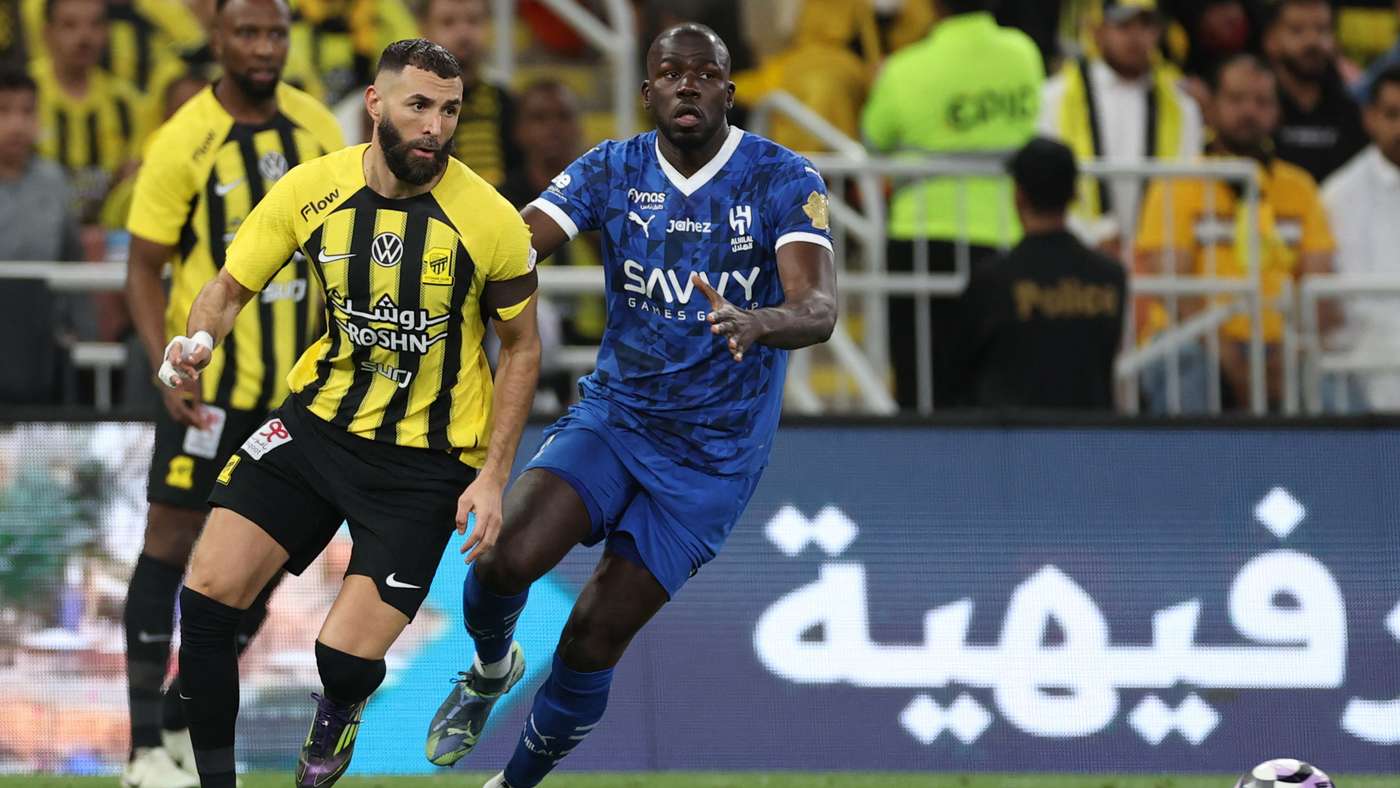
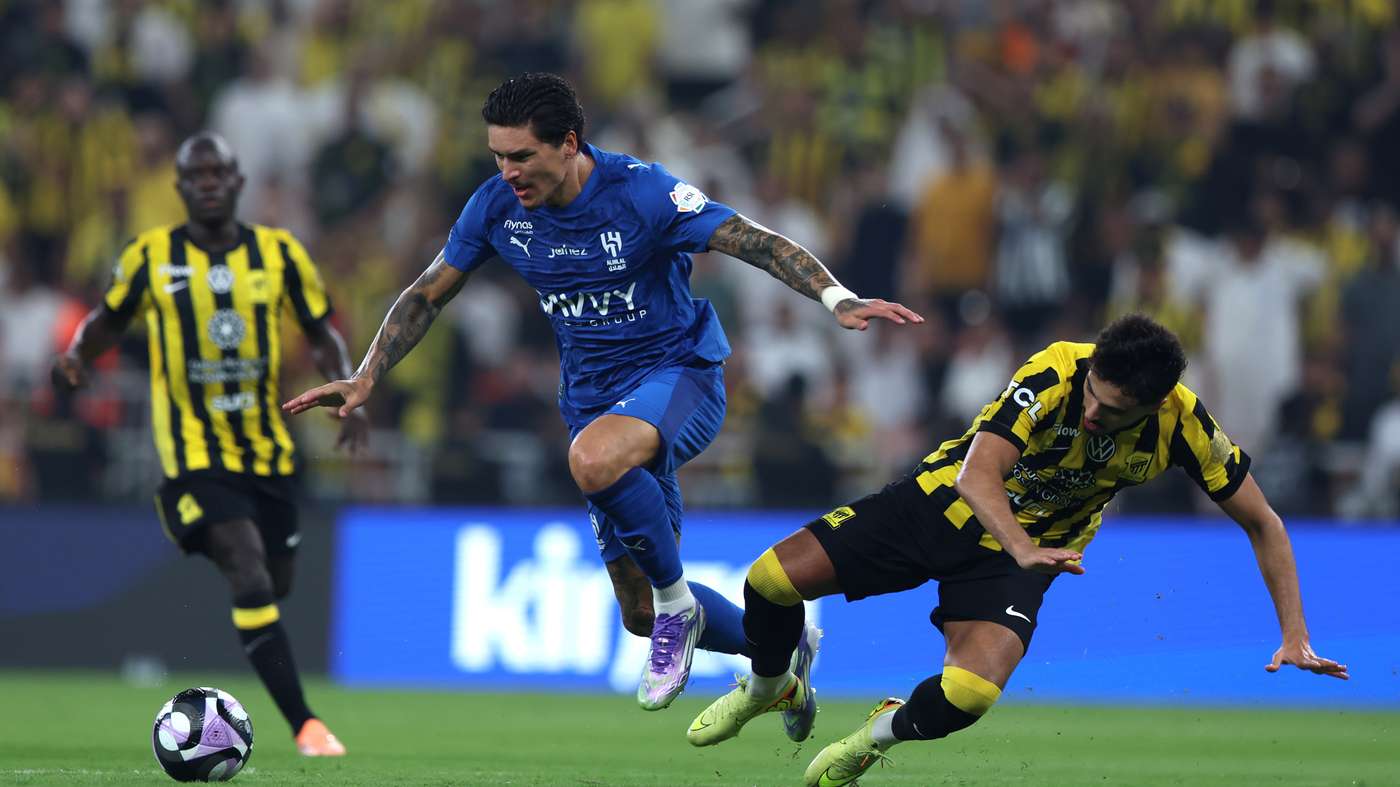
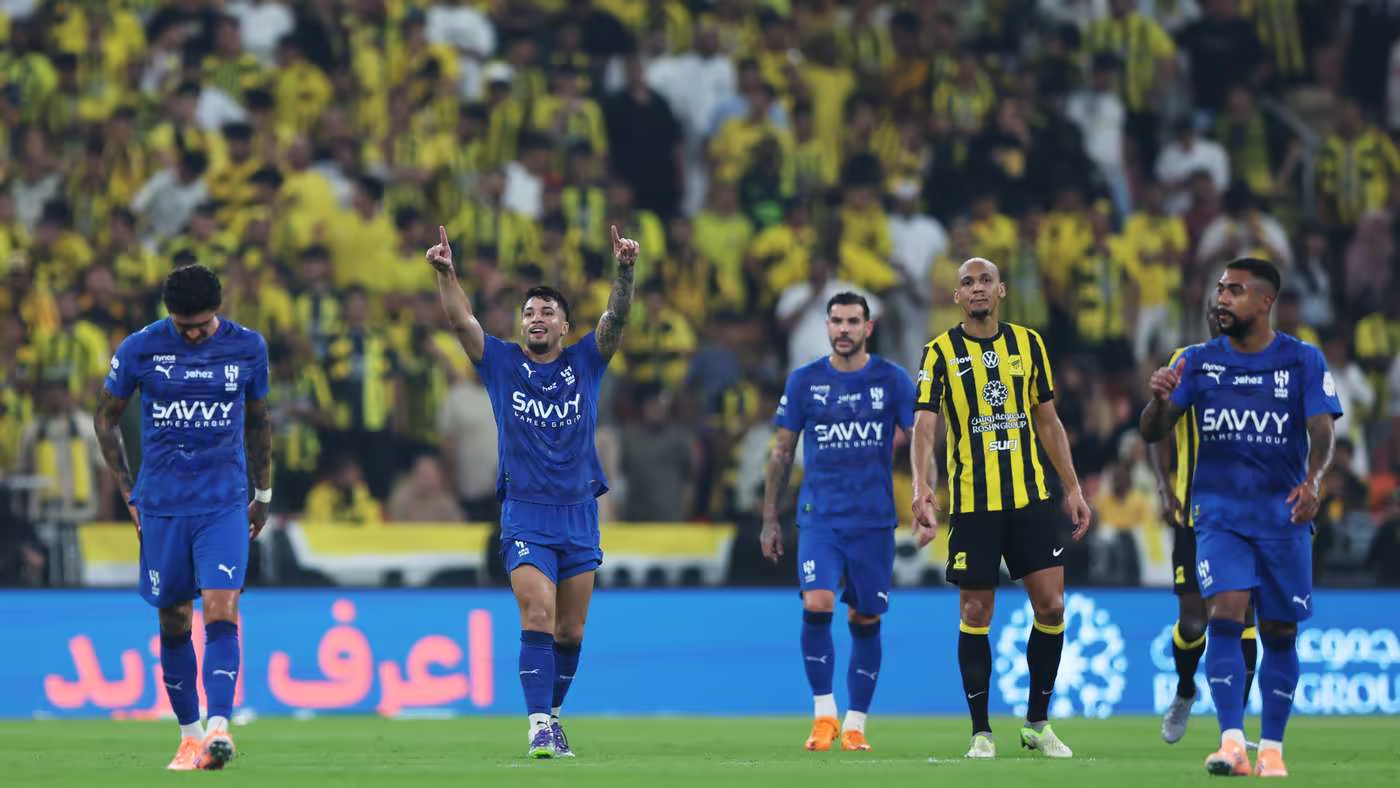
Al-Hilal secured a precious 2-0 win away to Al-Ittihad on Friday night at the Al-Enma stadium, during the Saudi Pro League’s sixth round. The result leaned on defensive lapses by the home side, while Hilal, guided by Italian coach Simone Inzaghi, exploited those errors with smart, steady finishing.
Conceição’s bold approach and the adjustments around key personnel sparked immediate debate. The coach opted for a 4-4-2 “diamond” to compensate for the Dutch winger Steven Bergwijn’s absence, wanting full-backs to push higher and shield the midfield with holding players. In goal, benching Predrag Rajković in favor of Hamid Al-Shenqiti drew particular attention after the final whistle.
Defensively, Al-Ittihad lined up with Mario Mitai at left-back and Ahmed Al-Jalilan at right-back, with Danilo Pereira and Saad Al-Mousa in central defense. In midfield, Fabinho sat as a holding midfielder, flanked by N’Golo Kanté and Mamadou Doumbia, with Doumbia often stepping forward to support the attack. On the left, Houssam Aouar provided structure; Benzema led the attack with Moussa Diaby hugging the right flank, occasionally morphing the shape into a more conventional 4-3-3 during build-ups.
Tactical shifts and critical errors
Hilal’s plans mirrored the success from their prior 5-0 reverse of Al-Ettifaq, reinforcing the idea that stability at the back can coexist with the ability to threaten on the counter. Inzaghi moved Ruben Neves into a more central role in midfield, pushing Robin Neves up and leaving Kalidou Koulibaly and Hassan Tambakti to anchor the defense as Ali Laqami shifted to right-back after recovery from injury, with Yassine Bono still outstanding in goal. Nasser Al-Dosri operated on the left and Serge Milinkovic-Savic on the right, with Neves encouraged to surge forward as the ball turned over.
For Al-Ittihad, the plan was to flood the attacking third with a seven-man surge at times, leaving gaps behind the high press. This approach generated moments of danger but also exposed fragile spaces between defense and midfield, inviting fast-breaking counters once possession was won. Kanté’s engine and Diaby’s speed caused ongoing headaches for the Ittihad backline, but the risk in high pressing appeared to outpace the reward as the visitors exploited the flanks and late runs from midfielders.
Key moments arrived after the break. A controversial decision to reshuffle midfield roles—Conceição pulling Doumbia a touch deeper while preserving the diamond—was followed by a second-half adjustment in defense as Ali Laajami entered as a third center-back when Hilal sought extra protection. The decisive turning point came from a set-piece routine: a corner delivered with pace found the back of the net via an unfortunate deflection by Doumbia, followed by a second goal after a misjudged clearance by the Ittihad defense.
Beyond the goals, the match offered a subtle critique of both managers’ substitution timing. Conceição’s move to re-align the central spine and bring on fresh legs aimed to maintain compactness, while Inzaghi’s responses—restructuring the midfield and reinforcing the back line—highlighted the ongoing chess match between the two coaches. Yet the decisive moments remained rooted in execution under pressure and the quality of the in-form attackers and organized set plays.
Takeaways and aftershocks
The game underscored how a high-pressing plan can collapse when the backline is exposed, and how a diamond midline, when balanced, can provide both width and defensive cover. Al-Hilal capitalized on the opportunities, with Benzema and Diaby offering menace up front, and the midfield trio of Kanté, Doumbia, and Aouar providing a mobile base that constantly tested Ittihad’s shape. The hosts showed flashes of resilience but ultimately paid the price for defensive fragility and misfortune at key moments.
As the dust settles, questions linger about Predrag Rajković’s omission and whether the decision to reintegrate Neves deeper in midfield paid the expected dividends. For Hilal, the tactical flexibility and sharper execution against a rival in form bode well for their title challenge, while Ittihad must revisit their defensive synchrony and avoid overloading the attack at the expense of position discipline.
In a league obsessed with drama, this fixture delivered plenty: tactical intrigue, a couple of bold calls, and two goals that will be replayed in coaches’ rooms across the peninsula. And for fans, of course, a reminder that the ball, like good humor, rewards persistence—though in football, persistence sometimes means chasing a deflection into the net. Punchlines ahead: If defense learned to schmooze as smoothly as a 4-4-2 diamond, we'd all be champions. And if you think the scoreline was surprising, wait until the next round—even the trophy cabinets will be asking for reprieve from the drama.