When the Local Keeper Curse Strikes Again: Al-Ittihad's 0-2 Derby Defeat to Al-Hilal
25 October 2025
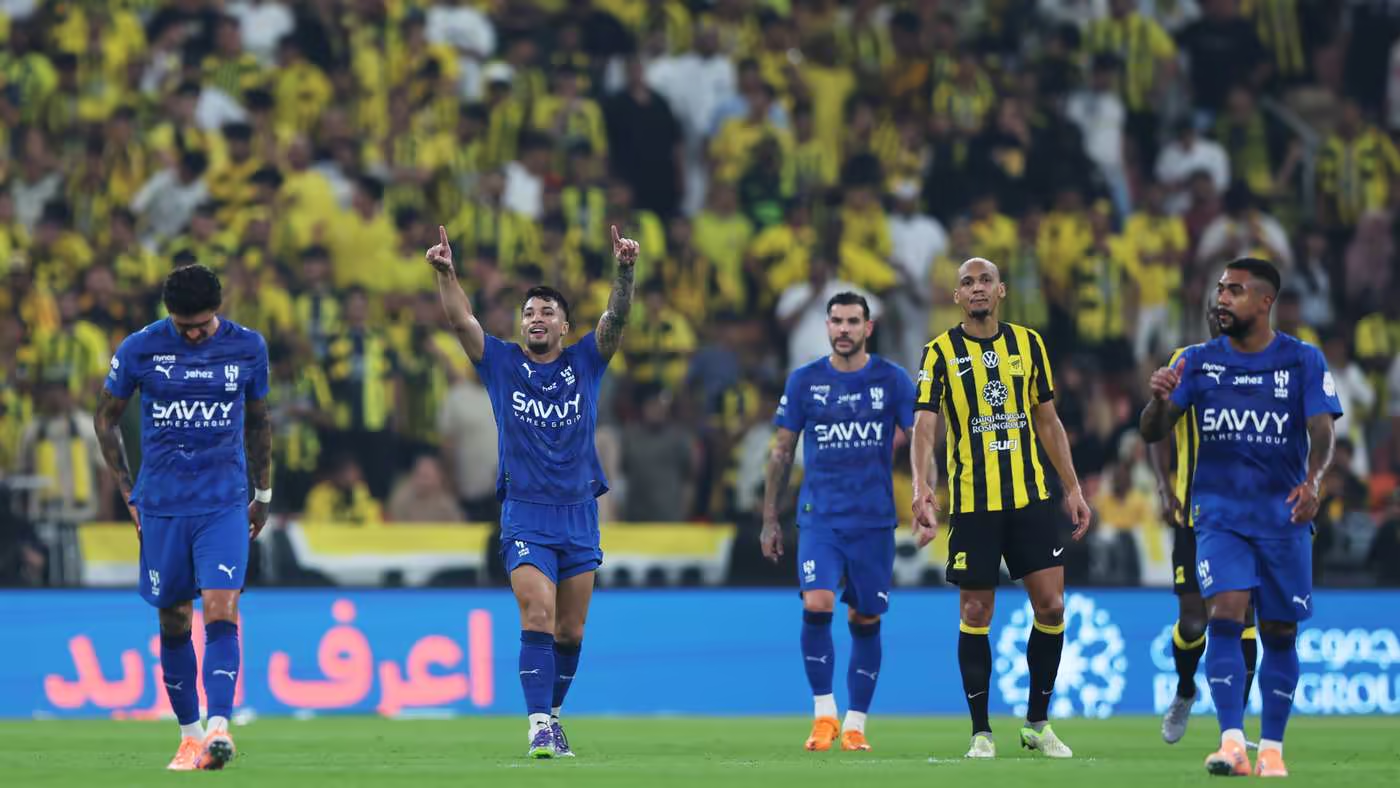
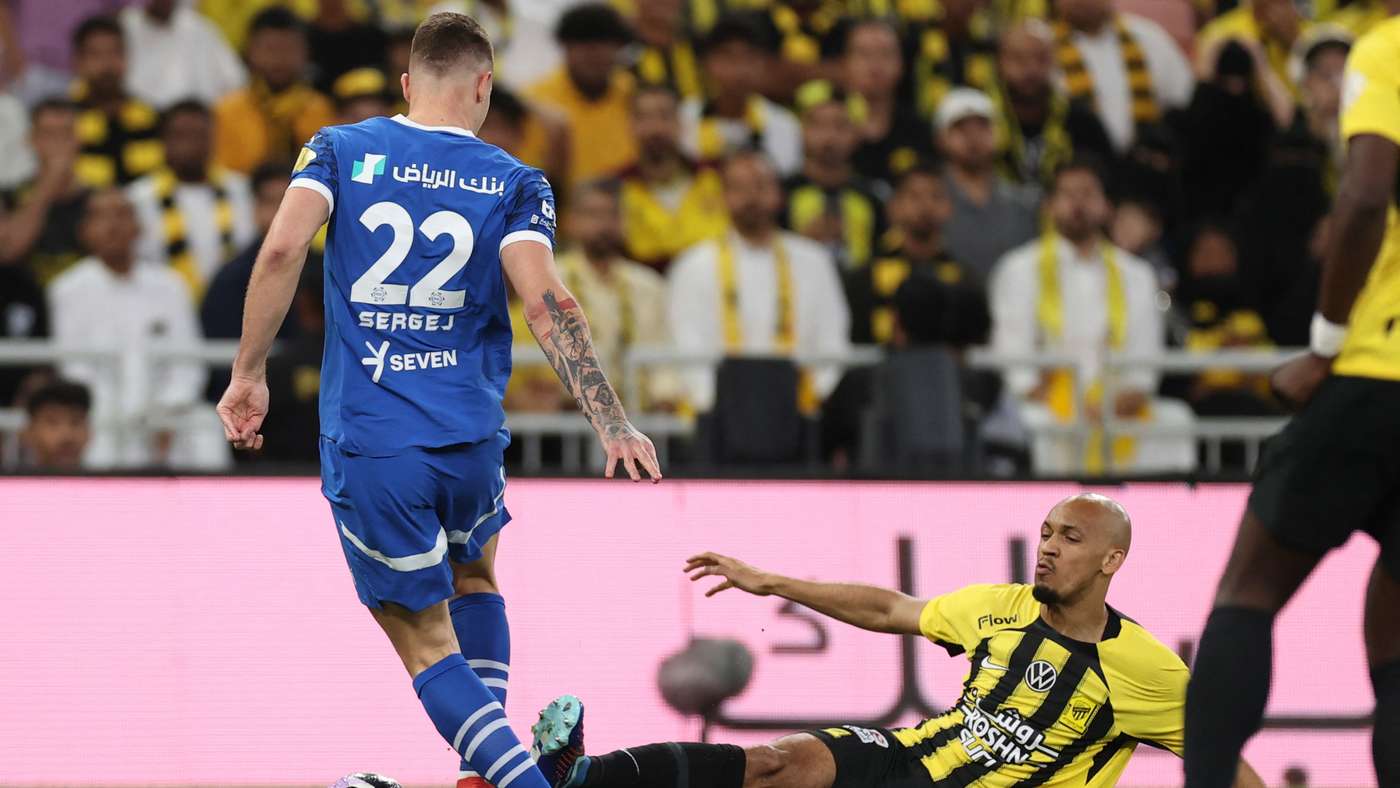
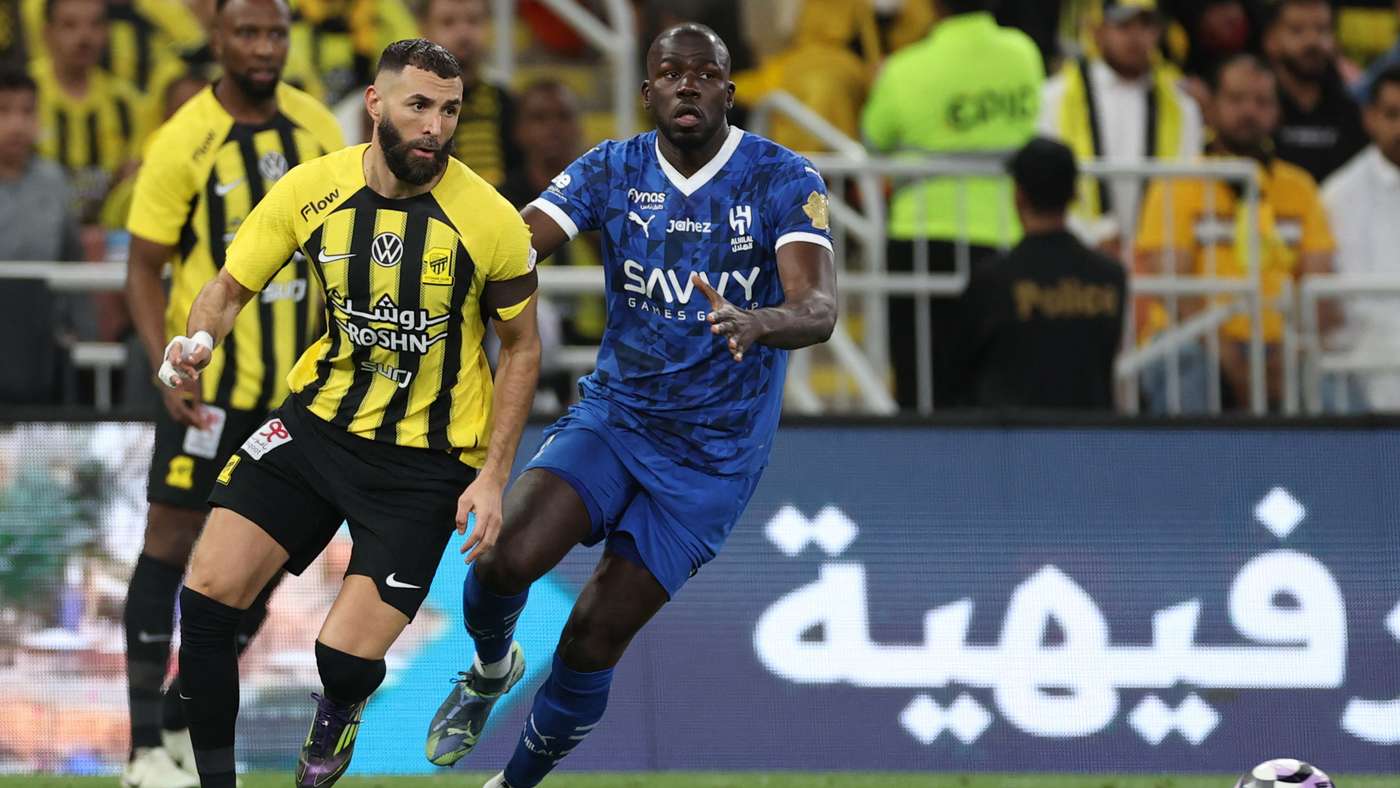
The local goalkeeper curse returned to haunt Al-Ittihad in the classic against their arch-rivals Al-Hilal, this time carried by their young stopper Hamid Al-Shenqiti.
Al-Shenqiti started the match, and Al-Ittihad fell 0-2 to Hilal on Friday, at the Enma Stadium, in the sixth round of the Saudi Pro League.
According to the sports daily Al-Riyadiah, Al-Ittihad’s inability to beat Hilal with a local keeper stretches to nine consecutive seasons.
The Local Keeper Curse
Since the last time a local keeper helped beat Hilal away in 2016 — Asaf Al-Qarni keeping a clean sheet as the Tigers won 2-0 in the seventh round of the 2016-2017 campaign — Al-Ittihad has played 15 matches against Hilal with a Saudi keeper and failed to win.
Asaf Al-Qarni was the first casualty on that list, guarding the goal in nine meetings against Hilal, with six losses and three draws.
Then Brazilian Marcelo Grohe took the helm, and the first meeting against Hilal ended in a draw, before the Tigers won the second classic, keeping a clean sheet for the first time in more than four years.
After Grohe’s stint ended, the local shield returned with Abdullah Al-Muayouf, and under his watch the Tigers’ luck did not improve in their clashes against Hilal. With Grohe gone, the team endured five straight losses to Hilal in the classic, conceding 13 goals over those games.
That streak only broke when foreign stopper Predrag Raikovic stepped in, helping Al-Ittihad win on penalties in the King Cup quarterfinal and then triumph 4-1 in the league, reclaiming the two trophies by season’s end.
The defeats returned when Shenqiti started Friday’s game in place of Raikovic, with a 0-2 defeat in the Saudi Pro League’s sixth round.
Local Casualties of Hilal
Al-Qarni was the first in that casualty list, guarding the Tigers’ goal in nine meetings against Hilal, six losses and three draws.
After Brazilian Marcelo Grohe’s spell, the local presence returned with Abdullah Al-Muayouf, and the Tigers’ record against Hilal under him remained difficult, as the team suffered defeats and a high goals-against count across those matches.
With the foreign backup Raikovic, the balance shifted: the team won a crucial cup match on penalties and then a league thriller, 4-1, reclaiming pride late in the season.
Yet the latest clash with Shenqiti back in goal reminded everyone of the ongoing pattern: the local keeper experiment has not yet produced a win in this particular derby run.
A Coincidental Return and the Coach’s Dilemma
Strikingly, Shenqiti’s return to the fold came by pure chance, even though Raikovic was fit to play. It was argued that Raikovic would feature as the team’s first-choice goalkeeper, given there were no injuries in his camp.
However, coach Sergio Conceicao chose to rely on the Albanian Mario Metai and the Malian Mamadou Doumbia as his core foreign pair, effectively sidestepping Raikovic under the eight-foreign-players rule.
Conceicao then handed Shenqiti the task of protecting the goal, a decision he described as tactical and backed by his faith in the youngster, in training, and in the national youth setup, calling Shenqiti one of the best and someone who had earned his trust.
On the substitution, Conceicao explained: “From a tactical standpoint, the plan was clear, and you saw that.” He also defended Shenqiti, stating that the responsibility lay with him as the coach and that he trusted the goalkeeper’s abilities.
“What happened isn’t Hamid’s responsibility; what happened is mine, because I am the decision-maker,” he added, before noting that the allocation of players in midfield aimed to balance the squad with more foreign presence. “Neves and Savic didn’t touch many balls, and I wanted more midfield creativity from foreign players for that reason.”
In essence, Conceicao defended the selection and the tactical approach, acknowledging the second goal as the decisive blow while highlighting his faith in Shenqiti and in the overall plan that guided his choices.
As the coach summed up, the strategy was to maximize effort in defense and midfield and to manage resources according to the limits of the squad, even if the night didn’t go as hoped.
Punchline time: If brains were a weapon, the ball would still find a way to miss the target when it meets a goalkeeper who treats post and crossbar like old friends. Punchline two: The goalkeeper may be the sharpest shooter on the field—just not in the way we expect, because sometimes the ball seems to have a better aim than he does.