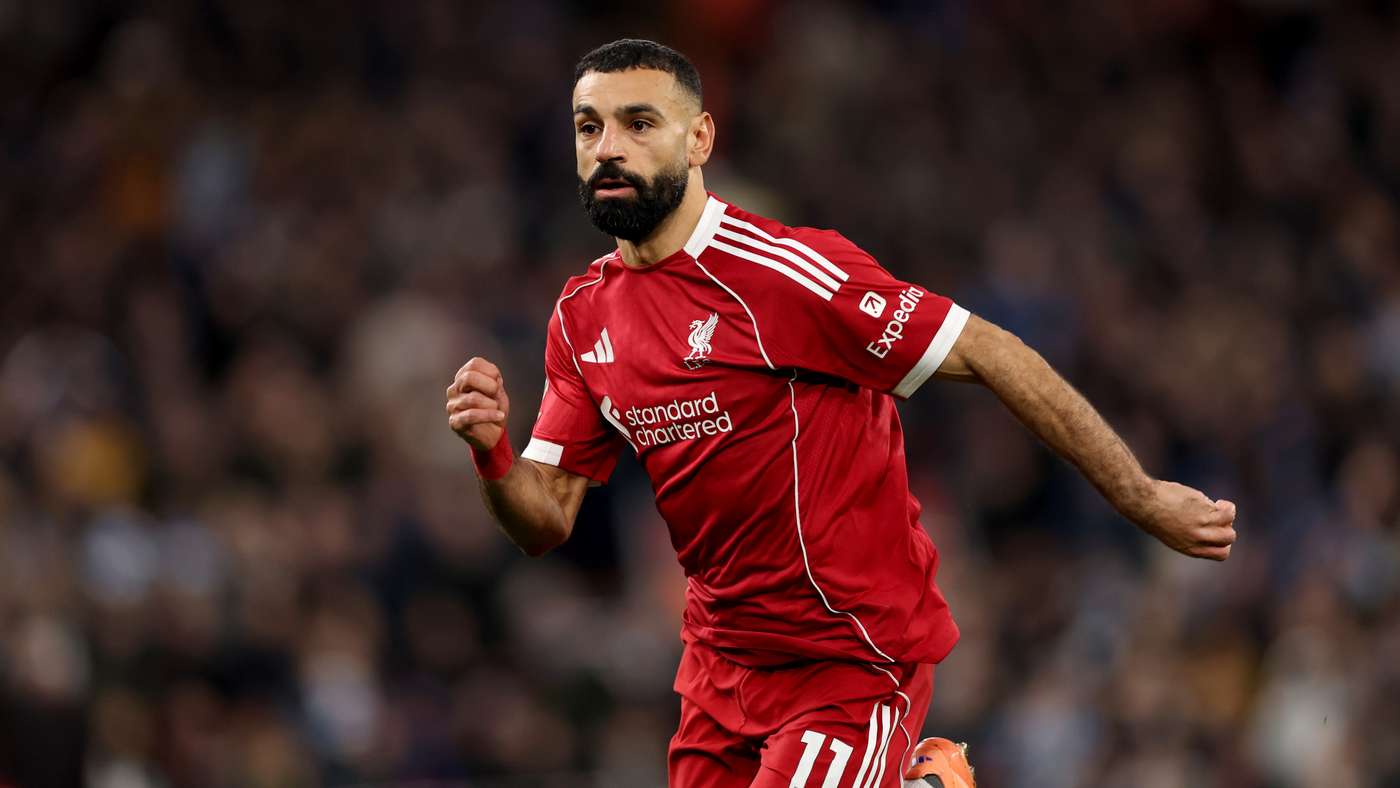
The Unlikely Rise of N'Golo Kanté: The Quiet Man Who Became Football's Favorite Legend
18 December 2025
The unlikely rise of a shy star
N'Golo Kanté is widely regarded as football’s most beloved figure, not for showy flair but for a workmanlike humility that endears him to teammates and fans alike. The narrative begins with a player who many wrote off as too small for top flight football, only to prove them sadly mistaken with every sprint, tackle, and understated smile.
In his early days, the Frenchman left the pitch with a sense of quiet satisfaction, a trait that would define his career. The day’s biggest noise might have been Eden Hazard’s hat-trick against Cardiff City, but the following morning’s headlines shone a different light on Kanté’s post‑match conduct. No drama, just a man who preferred quiet focus to post‑game theatrics.
The real turning point, as often happens in football, came not with a roar but with a missed train. At St Pancras, Kanté raced to catch a Eurostar bound for Paris to visit family, only to miss it. Yet even that setback didn’t dim his mood; instead, he chose a different evening plan, warmly stepping into another world entirely.
At Kings Cross, an Arsenal fan invited Kanté to his home, and the modest star accepted. The night unfolded with a shared curry, a friendly game of FIFA, and a relaxed look at life beyond the spotlight. A friend later recalled to BBC how Kanté prayed with the host, underscoring a life guided by faith, humility, and a strong sense of community.
“He’s more than a good footballer; he’s a model of humanity,” said a guest who watched Kanté join in a simple dinner and a game before heading home. The evening wasn’t about grand gestures; it was about a footballer who still finds joy in ordinary moments, and who values human connection over headlines.
Kanté’s life would continue to blend football with service. He later supported a fan post‑surgery, and years later attended a wedding where his quiet generosity again shone through. He drove a Mini Cooper rather than a flashy supercar, a choice that echoed his down-to-earth outlook—a detail that fans loved as much as his football.
Former teammates and coaches describe Kanté as “the quiet center” of any operation. He arrived in teams that needed discipline and energy, instantly becoming indispensable through relentless pressing, unselfish play, and an ability to read the game with astonishing clarity. His early life, marked by poverty in France and the need to earn his place, forged a maturity unusual in players of his age and profile.
From Boulogne to Caen, then Leicester and Chelsea
Born to Malian parents and raised in the western Paris suburb of Rueil-Malmaison, Kanté’s journey began far from glamorous football academies. After moving through youth systems, he caught the eye of Boulogne, a modest club playing in the lower echelons of French football. There, coaches noticed a youngster whose off-ball movement, stamina, and tireless work rate suggested a future beyond the ninth tier of French football where he once trained.
It was coach Georges Torrnay and a mentor in Michel Estève who saw the spark and gave him a first professional chance with Boulogne’s B team, then the first team as he continued to prove his worth. Kanté’s rise didn’t come with a dramatic sprint; it came with sustained effort, mixing schooling with football and, crucially, choosing the right moments to sharpen his craft. He even completed his Baccalauréat and studied accounting for a time, underscoring his practical approach to life beyond football.
After a breakthrough at Boulogne, Kanté joined Caen, where he finally tasted Ligue 1 football. His performances earned him a stride into the professional ranks of French football’s second tier and then the top tier, all while he kept a legend‑in‑the‑making profile: modest, focused, and relentlessly energetic. His peers talk about a player who never looked for credit, only the next tackle, the next interception, and the next clean pass that kept the team moving forward.
Leicester City took a chance on the Frenchman who nobody thought would be a star in England’s top flight. There, Kanté’s unglamorous but devastatingly effective approach redefined the role of a defensive midfielder. He became a ball‑recovering machine, a player whose energy and discipline transformed a squad that had been fighting to stay competitive into a title winner in 2016, an achievement many believed to be impossible for a club of Leicester’s stature. The switch to Chelsea followed, a move that many called a badge of recognition for a player who had long warranted a bigger platform for his game.
Across his spell at both clubs, Kanté continued to play with a smile and a sense that football, first and foremost, is about collectively beating the opposition rather than amassing personal trophies. In his own words, he celebrated success by keeping his feet on the ground and focusing on teamwork rather than personal acclaim.
The World Cup in Russia in 2018 provided the stage on which Kanté’s attributes—stamina, discipline, humility—shone even brighter. He started every minute of the tournament and, despite stomach issues in the final stretch, remained a cornerstone of France’s midfield as they beat Croatia 4–2 in the final. Personal tragedy shadowed the journey: his elder brother Nyama passed away just before the tournament, but Kanté’s resolve never cracked. He played through pain and still found a way to lift the trophy with a knowing, shy smile that fans would remember for years.
Off the pitch, Kanté’s kindness became a defining feature of his persona. He stood out not through fanfare but through acts of generosity and humility. A widely told anecdote about his charity and his willingness to engage with fans around the world reinforced why many consider him football’s good conscience. Even as his career progressed into new chapters and new leagues, his character remained intact: a man who listens more than he speaks, and who carries the weight of expectation without ever letting it weight him down.
Later in his career, Kanté’s move to Saudi Arabia with Al‑Ittihad brought him a new arena for his influence. The player’s generosity grew with the size of the stage: he funded a five‑million‑dollar hospital in Mali to improve access to healthcare for the poor, and he established the NG Academy in Mali to give young children a chance to chase their footballing dreams. These actions cemented Kanté’s legacy as more than a great midfielder; he is a beacon of responsibility and compassion in a sport that sometimes forgets its wider responsibilities.
As his former youth coach Georges Torrnay put it, Kanté’s reputation makes people proud to claim him as their own. He is the kind of player whose influence extends beyond the football pitch, whose character continues to inspire future generations, and who remains, at heart, perfectly ordinary in the best possible sense: just a good person who happens to play football at the highest level.
If you measure success by the way a player leaves behind a lasting impression, Kanté checks all the boxes: multiple leagues conquered, teammates lifted, and a global community drawn to his quiet humanity. In a world where stars are often measured by goals and glorified moments, Kanté’s story remains a reminder that impact can be built with patience, persistence, and a humble heart.
And if you’re looking for a last word before the credits roll: the ball may belong to him, but the praise belongs to everyone who ever shared a locker room with him. Kanté isn’t just a name on a team sheet; he’s a living reminder that greatness often wears a very small shirt and a very big smile.
Two light-hearted notes to close: first, if patience had a goalkeeper, it would be Kanté—always saving the day with a calm glove hand. second, if humility were a sport, Kanté would have already won a lifetime’s supply of gold medals with a single, perfect press conference—though he’d probably give them away to someone else who deserved them more.