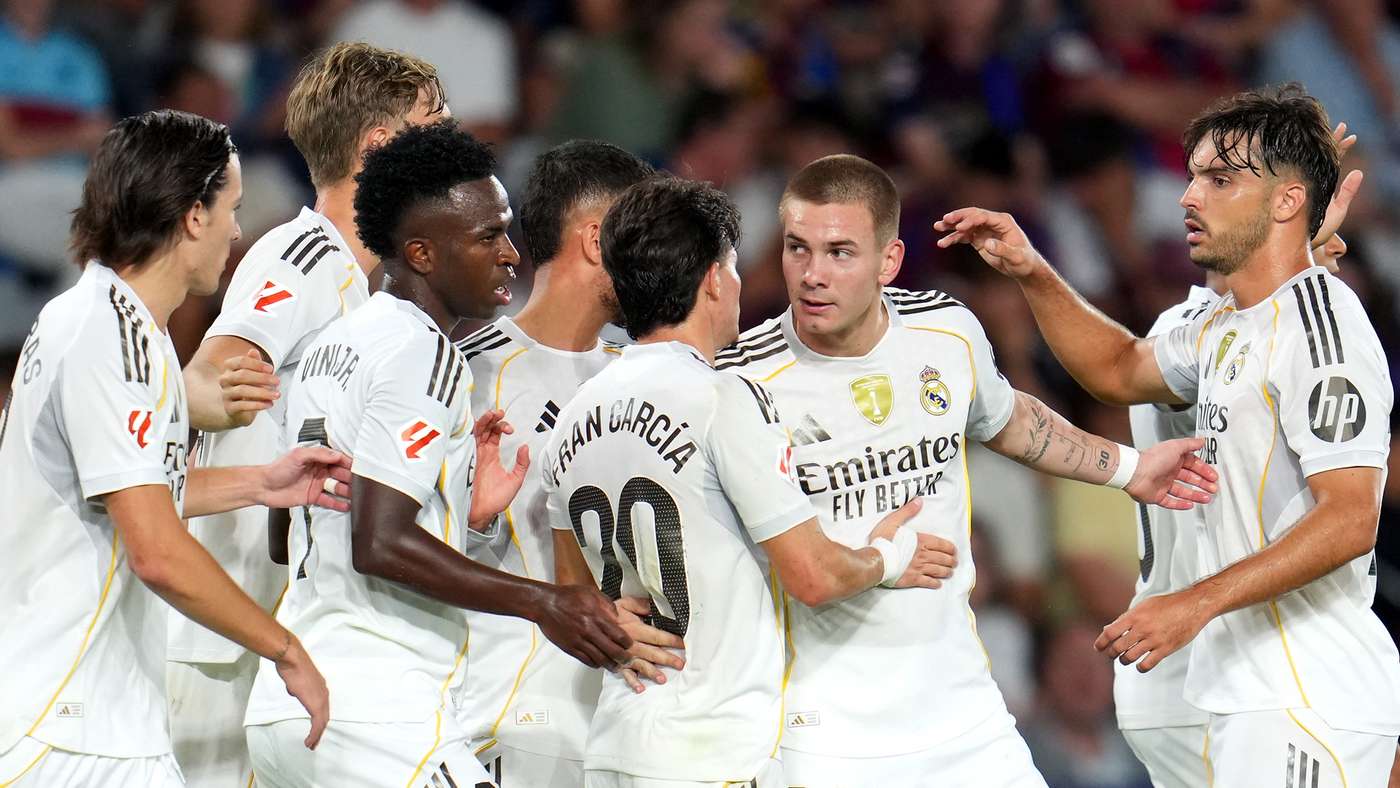
Alonso’s Madrid Makeover: The New DNA Before El Clasico
20 October 2025
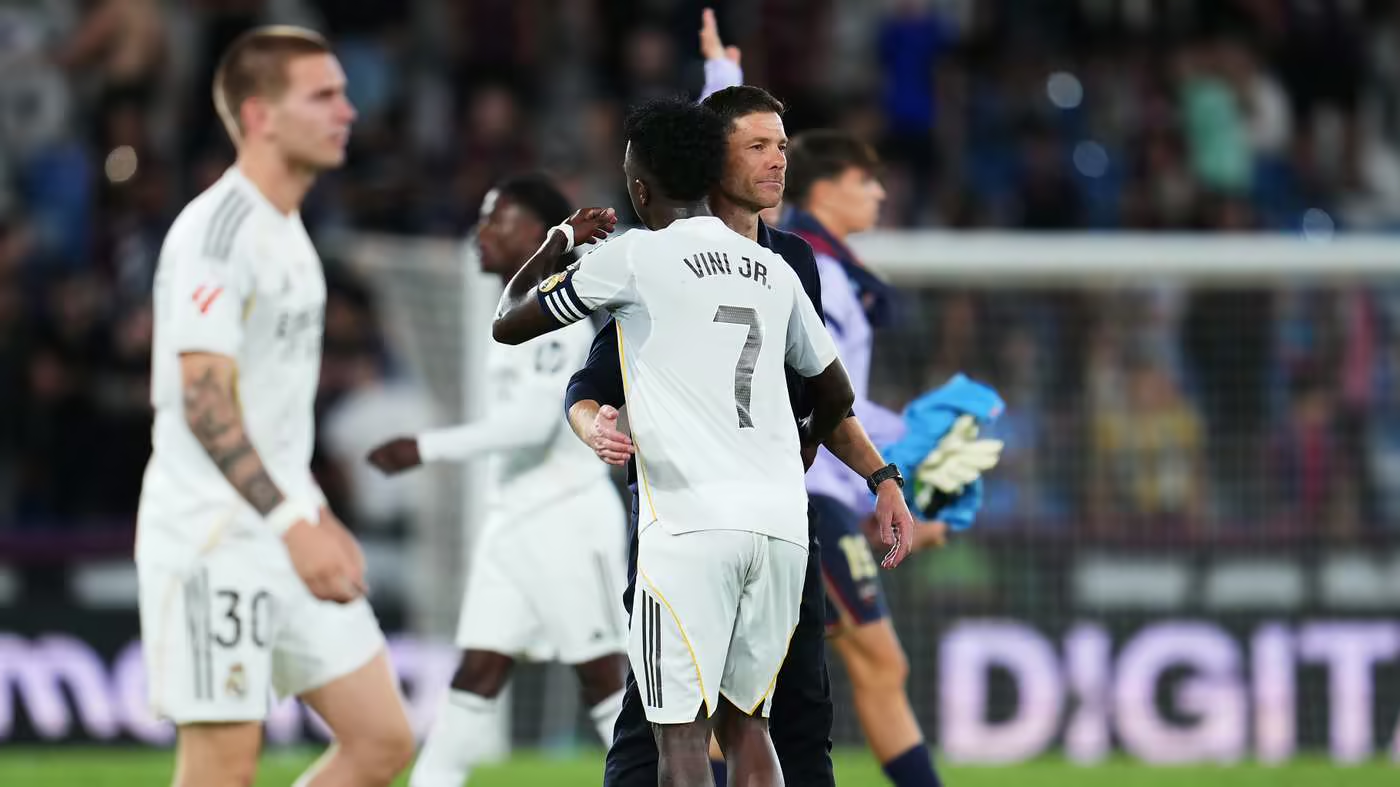
Alonso’s Start: A Rocky Opening
Xabi Alonso, Real Madrid’s new head coach, quickly faced the brutal wake-up call that comes with taking over a club defined by its past. He inherited the task after Carlo Ancelotti’s departure, and the early days suggested a rebuild would be necessary if Madrid were to reclaim their old rhythm and ambition.
Early World Cup Results and Real Madrid’s Path
His initial spell yielded mixed results at the Club World Cup in the United States, where Madrid advanced to the semi-finals but failed to deliver a convincing sustained performance overall.
During the group stage, Madrid drew 1-1 with Al Hilal, then beat Pachuca 3-1 and Red Bull Salzburg 3-0, before edging Juventus 1-0 in the quarterfinals and pulling off a dramatic 3-2 win over Borussia Dortmund, only to bow out with a 4-0 defeat to Paris Saint‑Germain.
Summer Moves and Tactical Shifts
Throughout the summer, Madrid’s leadership, led by president Florentino Pérez, sought to refresh the squad, bringing in Alonso (then 43) as a younger voice than Ancelotti and giving him room to steer the project from the frontline rather than from the shadows.
The defensive overhaul looked to be the priority, with rumor-driven targets such as right-back Trent Alexander-Arnold from Liverpool and defender Dino Huisen linked to a brace of signings alongside Álvaro Carieres and Franco Mastantuno after the World Cup.
Momentum, Setbacks, and Resilience
After the World Cup lull, Alonso guided Madrid into an impressive seven-match winning run, including six La Liga victories in the first six rounds — Osasuna, Real Oviedo, Mallorca, Real Sociedad, Espanyol, and Levante — plus a narrow 2-1 European win over Olympique Marseille in the Champions League.
Yet the campaign hit a new rough patch with a 2-5 derby defeat at home to Atlético Madrid, before Madrid steadied again and thrashed Kairat Almaty 5-0, beat Villarreal 3-1, and edged Getafe 1-0.
A New Madrid: 17 Matches and a Clear Trend
Across 17 matches under Alonso, Real Madrid posted 14 wins, one draw and two losses, scored 38 goals and conceded 18, with both defeats coming against PSG and Atlético, while seven matches were kept clean sheets.
With the Clasico scheduled for October 26 at the Santiago Bernabéu, Alonso prepares for his first Clasico as manager, having played in this fixture for Madrid from 2009 to 2014.
Spanish Core, New Blood, and the Clasico Preview
One notable feature of his approach has been a greater reliance on Spanish talent, including the emergence of youngster Gonzalo García; Álvaro Carieras and Dino Huisen becoming regulars, while Dani Ceballos and Marco Asensio also featured at times.
He balanced the squad by managing injuries and fitness, favoring a cohesive unit over reliance on a few stars, even as veterans like Rudiger and Alaba faced niggles and younger talents such as Camavinga, Mendy, and Jude Bellingham integrated gradually.
Alonso’s new group also includes rising talents such as Mastantuno and Arda Güler, gradually trusted with bigger responsibilities, signaling a shift away from pure reliance on flashy individual talent to a methodical collective approach.
In sum, the Spaniard aims to forge a Madrid that is more disciplined, more compact, and more capable of finishing big tests against Barcelona and Europe’s elite while continuing to grow Spain’s next generation.
Time will tell, but the early evidence suggests a more unit-driven Madrid than the one who began the season, and the Clasico could be the stage where Alonso’s blueprint takes its first big bow.
Punchline 1: If Alonso is a chef, Madrid’s menu is now tapas—small servings of genius with a lot of teamwork, and the bill is still a work in progress.
Punchline 2: He’s not chasing a perfect performance; he’s teaching Madrid how to share the ball without arguing over the last croqueta.