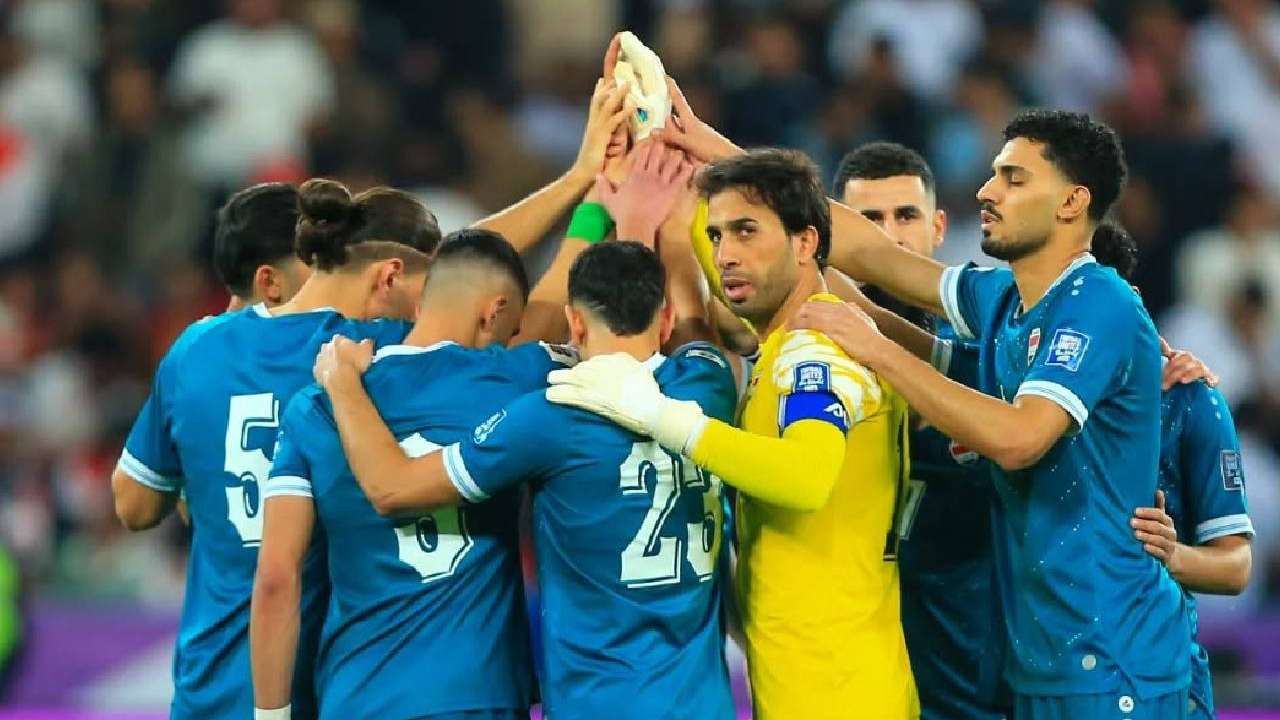
When travel chaos meets the World Cup dream: Iraq’s coach pitches a bold playoff workaround
9 March 2026

Arnold's Plan Amid Travel Chaos
The Iraqi national team coach, Graham Arnold, has floated a plan for the continental playoff to reach the 2026 World Cup, as the squad faces a logistics crisis caused by regional conflict and travel restrictions.
Iraq still has a historic chance to end a 40-year World Cup absence, but securing the single playoff match on March 31 in Monterrey, one of the tournament’s Mexican host cities, is essential.
However, the task is clouded by a still-closed Iraqi airspace for the month due to regional tensions, complicating training camps, travel, and the team’s ability to assemble.
The Guardian reported that the Iraqi federation informed FIFA about these hardships, noting that most players are in Baghdad while Arnold lives in Dubai, making camp and travel coordination harder.
Arnold’s suggestion is to let the Bolivia–Suriname playoff proceed as normal to determine Iraq’s opponent, while delaying the final leg in this path to a date perhaps a week before the World Cup begins.
He argues that this scenario would not only help Iraq but also buy FIFA time to decide on Iran’s status, given ongoing political tensions and the possibility of Iran withdrawing.
In Australia’s words to reporters, he said that postponing the match would give the team enough time to prepare properly and would give FIFA more time to decide about Iran.
He added that if Iran does pull out, Iraq would qualify directly through the Asian ranking, which would also give the United Arab Emirates a chance to prepare for the winner of Bolivia–Suriname.
Implications for Iraq and FIFA
FIFA, by contrast, reportedly proposed a land move for the Iraqi delegation to Istanbul, where they could board a flight to the Americas.
Arnold rejected that option, warning that a roughly 24‑hour overland journey would bring serious risk amid current security conditions.
He said, Please help us in this match, because we are battling to get our players out of the country.
An additional hurdle is a visa crunch: several players have yet to be issued travel documents for the United States or Mexico, where the team had planned to hold a training camp.
With the clock ticking, FIFA faces a delicate task in handling the situation as the decisive playoff approaches, a match that could put Iraq back on the World Cup stage for the first time since 1986.
The saga underscores a dream that remains fragile, a reminder that football’s biggest prize can hinge on weathering logistics as well as opponents.
Punchline 1: If travel visas had a loyalty program, Iraq would get a free upgrade to a direct flight—and still need a passport to paradise.
Punchline 2: In football, even the ball needs a visa sometimes—the only thing that travels faster than a rumor is a rumor about FIFA meetings.