
Ancelotti's Tokyo Lesson: Brazil's Loss to Japan Sparks a Roadmap for the Future
14 October 2025
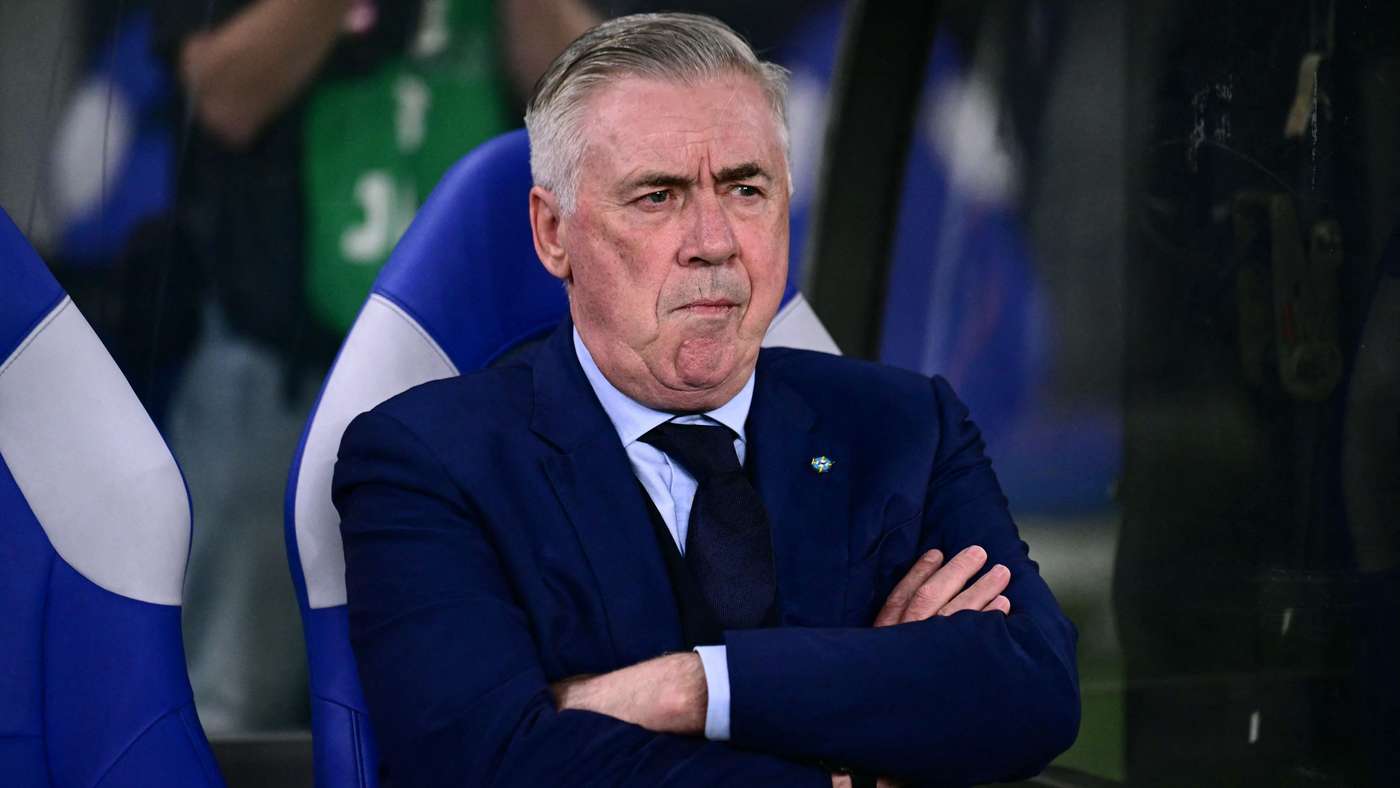
Match Reflection
Carlo Ancelotti, Brazil's head coach, urged his players to adopt greater mental flexibility after their surprising 3-2 defeat to Japan in Tokyo on Tuesday, the first time Brazil have ever lost to the Asian side.
The Italian coach stressed the need to learn from the mistakes that allowed the hosts to stage a second-half comeback, after Brazil had led 2-0.
Since taking charge in May, following Brazil's uneven World Cup qualifying campaign, Ancelotti has focused on building a squad with tactical flexibility and mental resilience.
In his press conference he said: "Not everything is fine when you lose; we feel disappointment, and that is natural. I don't like losing, neither do the players, and we must learn from this defeat, as we always do in football."
He added: "Even the Fabrizio Bruno error on the first goal, the match was largely under our control; after that, the team mentally collapsed, and that was the biggest mistake. I don't think the second half was bad overall, but the error significantly affected the players' concentration."
When asked whether such mistakes might affect his World Cup selection, Ancelotti dodged the question, saying the focus should be on the team's collective response.
He explained: "Individual errors do not decide a player's place in the squad. What we must assess is the team's reaction after the first error, which was not good because we lost some balance on the field. It's a valuable lesson for the future."
Brazil will play two friendlies against Senegal and Tunisia in November, scheduled in England and France respectively.
Prior to today's match, Brazil had crushed South Korea in Seoul by five goals.
Building for a New Generation
Project: a rebuild. Ancelotti took charge of the Brazil team amid global anticipation, becoming the first foreign coach to helm the Samba in nearly six decades. Despite the controversy surrounding his appointment, the Italian veteran quickly demonstrated an ability to blend European experience with Brazilian flair.
Since arriving, he has launched a comprehensive renewal focusing on young players, alongside steady Europe-based pillars such as Vinícius Júnior, Rodrygo, and Casemiro.
It appears he aims to craft a team with tactical variety, combining physical strength with technical skill, and applying high pressing when the ball is lost—a trait not commonly associated with past Brazilian sides.
He has also reinstated a sense of collective spirit, after criticism of overreliance on individual dashes. In recent games Brazil have looked steadier in defensive transitions and more efficient in taking chances, averaging over 15 attempts on goal per match and possessing the ball above 65%.
In a previous remark, Ancelotti said: "Brazil has enough talent to be the best in the world, but the key is using it within a structured team framework."
He added: "I want this side to reclaim its full identity, not only through dribbling but also through tactical discipline that allows us to outperform any opponent."
Blend of Experience and Youth
Observers believe Brazil is entering a fresh era under Ancelotti, especially with rising youngsters expected to form the backbone of the side over the next decade. Leading the group is Estevão, nicknamed the "new Messi" in Brazil, alongside Vinícius Júnior and Rodrygo who continue to impress with Real Madrid, and the versatile midfielder Bruno Guimarães who has become a central part of the midfield.
The Italian coach has also given chances to players from the domestic league, a move welcomed by fans eager to see local talents integrated with Europe’s stars. The policy has yielded quick results, and the side has regained some of its shine.
With this strong showing, Brazilians hope to reclaim World Cup glory after two decades without the title; their last triumph came in 2002 under Ronaldo, Rivaldo, and Ronaldinho.
Ancelotti hopes the current generation can repeat that achievement, leveraging a balanced mix of youth and experience.
Punchlines
Punchline 1: If Ancelotti’s project were a sniper rifle, the plan would be laser-aimed at the net—because missing the target is not in the script.
Punchline 2: Brazil’s rebuild is like a long-range shot with a perfect wind; it may take time, but when it hits, the crowd will file out saying, "That was a show with a scoreboard."