Hossam Hassan Closes the Gap in the Rida Abdel Aal Feud, Temporarily
24 November 2025

Hossam Hassan Clinches a Temporary Win in the Rida Abdel Aal Feud
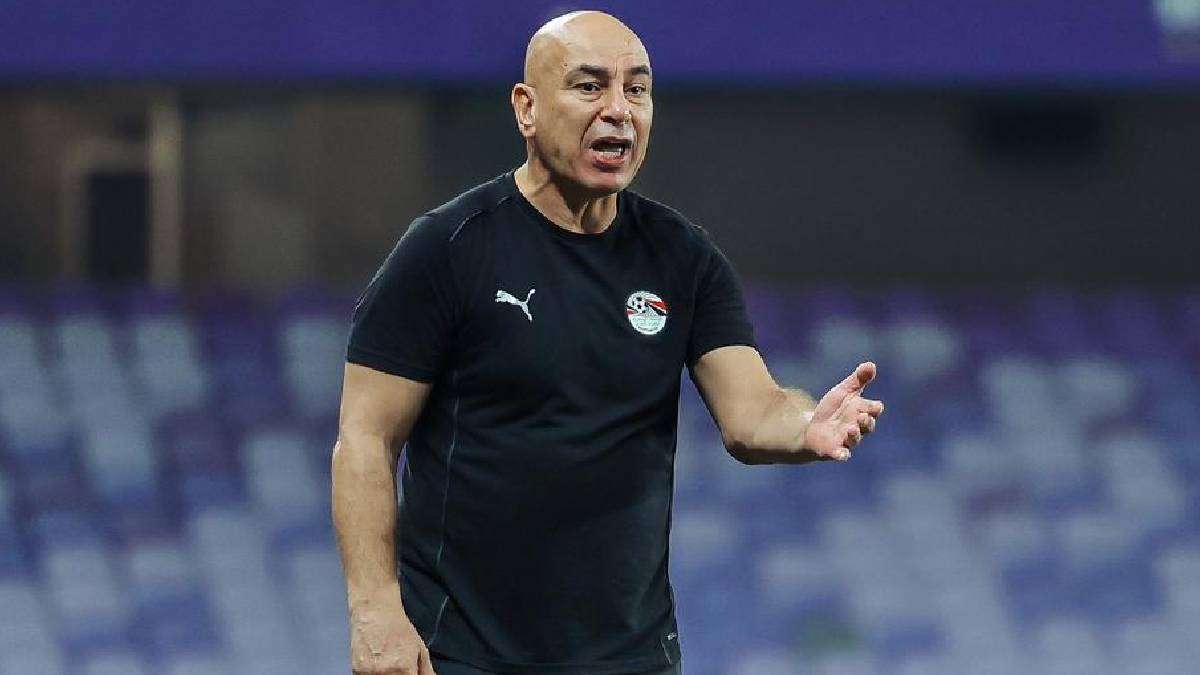
Hossam Hassan, the head coach of Egypt’s national football team, walked away from a heated clash with television analyst and ex-teammate Rida Abdel Aal, following sharp critiques of Hassan’s recent squad choices. The exchange unfolded after the Cape Verde friendly, when Abdel Aal launched a barrage of criticism against the coach’s selections.
Hassan defended his selections publicly, arguing that Egyptian football should be judged by performance and potential rather than by invocations of other nations’ rosters. He pointed to the Moroccan setup, which benefits from a wealth of world‑class players, while Egypt currently relies on two foreign-based stars—Mohamed Salah of Liverpool and Omar Marmoush associated with Manchester City—and a fourth foreign-based striker, Mustafa Mohamed of Nantes.
In a clear stance at the post‑match press conference, Hassan urged respect for Egypt’s national coach in the same way it is extended to the Moroccan coach overseeing a star-studded squad playing across major European leagues.
The episode prompted a broader debate about media conduct in Egyptian football, with authorities stepping in to address provocative commentary that could inflame fans or undermine professional standards.
On this note, the Supreme Council for Media Regulation, chaired by Khaled Abdel Aziz, announced decisive actions related to several breaches identified by its complaints committee. The programme featuring Abdel Aal was singled out for professional and ethical violations, with multiple breaches of the sports journalism code and dialogue guidelines cited in the council’s statement.
The council emphasized that the sanctions are meant to deter similar transgressions and to safeguard public discourse around football, preventing content that undermines societal values or fans’ harmony. As part of the ruling, the TEN television channel was fined 50,000 Egyptian pounds for the breaches discovered in the reviewed episodes, which included examples of inappropriate language and content not aligned with professional norms.
The board noted that Abdel Aal, along with journalist Abu Al-Maati Zaki, had appeared on several shows with statements that crossed permitted lines, contributing to a heightened atmosphere of tension in the sport’s public conversation. The two‑month ban on Abdel Aal from appearing on media outlets under Law 180/2018 took effect from the date of the decision, a measure described by the council as necessary to restore balance and accountability.
The council underscored that the sanctions are not punitive for their own sake but corrective, aiming to guide broadcasters toward responsible dialogue and to shield the audience from sensationalism that distracts from the sport’s true values. The enforcement also reflects a broader drive to keep football discussions civil amid the heated rivalry between clubs and their fans.
Rida Abdel Aal, a controversial but highly influential voice in sports analysis, faces an extended absence from Egyptian media until the Africa Cup of Nations in Morocco, scheduled from December 21 to January 18. Mohamed Hassan’s supporters have celebrated a temporary victory, while the ultimate verdict will hinge on Egypt’s performance in AFCON and how the media landscape evolves during the tournament.
Beyond the immediate dispute, Egypt’s national team holds a storied place in African football. Since its 1957 debut, Egypt has become a pillar of the continent, claiming multiple titles and a legacy of generations who built a powerhouse program. The early wins in 1957 and 1959 established Egypt as a foundational force in African football, cementing its role as a continental benchmark.
In the 1970s, Egypt hosted and celebrated another triumph in 1986, with a squad featuring players like Taher Abu Zeid and Mahmoud El Khatib lifting the trophy on home soil after a dramatic victory over Cameroon in the shootout. The nation later captured the 1998 title under Mahmoud El Jawhari, rounding out a period of consistency and resilience for Egyptian football.
The real golden era arrived in the new millennium under the stewardship of Hassan Shehata. From 2006 to 2010, Egypt achieved a historic three‑peat at AFCON, a record that stands as a testament to a generation that produced stars such as Mohamed Abou-Treika, Ahmed Hassan, Wael Gomaa, Essam El-Hadary, and Mohamed Zidan. That era solidified Egypt’s reputation as a continental heavyweight, shaping the expectations of fans for years to come.
In sum, while the present dispute with Abdel Aal has produced a temporary administrative and on-air victory for Hassan, the long arc of Egypt’s AFCON history continues to be written on the pitch. The nation’s future achievements will determine how this moment of media tension is remembered in the broader saga of Egyptian football.
Humor break: If the press conference were a football match, it would have gone to penalties—only this time the goalkeeper was common sense and the striker was a better list of players. Punchline one: I guess the only red card here is the channel’s budget for drama. Punchline two: Egypt’s next AFCON may score, but let’s hope the commentators don’t get booked for offside opinions.