
The Final Call: How Kompany Quieted Bayern's Critics
6 October 2025
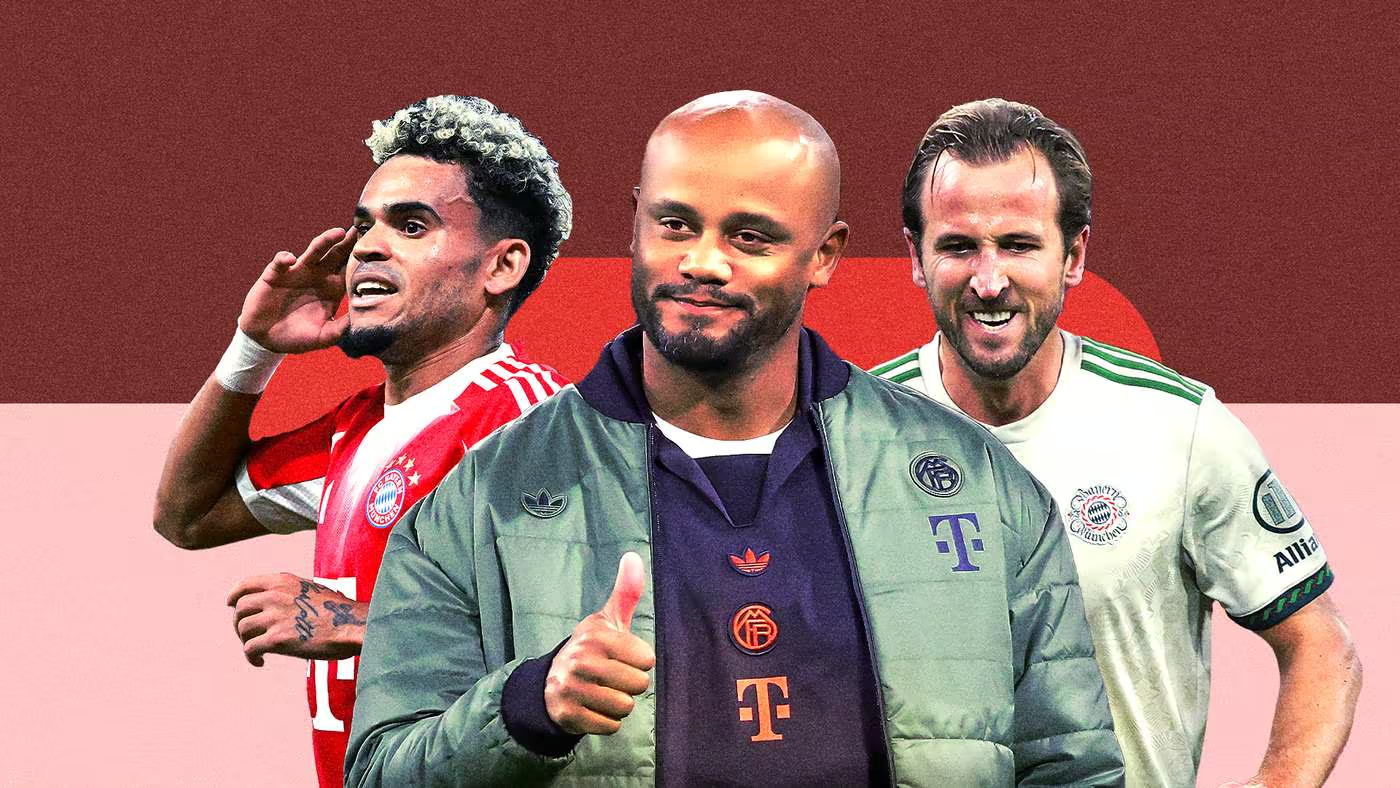
The Bold Appointment and Early Doubt
In 2024, Bayern Munich, a club boasting 34 Bundesliga titles and six European Cups, appointed Vincent Kompany, then a relatively inexperienced coach, from Burnley. The decision stunned many, given his only four years of coaching behind him, a stint in the English Championship, and no Champions League matches as a manager.
The rationale was a bold transformation: deploy an attacking, possession-based style under a leader who had impressed with Burnley’s football. Bayern hoped for a long-term project rather than a quick fix. The first season did not unfold perfectly, yet Kompany remained faithful to his principles, attempting to transplant Burnley’s sleek football into Bayern’s framework.
From Skepticism to Belief: The Turning Point
Initial skepticism came from veteran voices like Lothar Matthäus and Gary Lineker, who questioned the hire’s lack of experience with big clubs. But Kompany began molding a new Bayern: higher pressing, swift transitions, and more purposeful attacks. Key players responded: Dayo Upamecano, Kim Min-jae, Jamal Musiala, and Joshua Kimmich elevated their performances, while the locker room grew more cohesive and the mood around the Allianz Arena shifted as belief took root.
With renewed confidence, Bayern renewed contracts for stars such as Musiala, Kimmich, and Manuel Neuer, signaling a genuine pivot toward a new era. The club’s culture and identity began to crystallize as the project gained traction.
A Season of Momentum: Results and Renaissance
The team opened the season with ten straight wins across all competitions, a historic run for Bayern and the best start since the Bundesliga era began. They led the Bundesliga after six rounds, progressed in the German Cup, topped their Champions League group after two games, and captured the German Super Cup.
Individuals shone: Harry Kane continued his goal-scoring form, becoming a top Bundesliga scorer and achieving a landmark 11 goals in the first six rounds. Luís Diaz hit the fastest Bundesliga goal of the season and climbed the assist charts. Michael Olise contributed both goals and assists, while Upamecano and Kim Min-jae anchored a revitalized defense, supported by the evolving roles of Musiala and Kimmich.
Beyond tactics, Kompany prioritized open communication and a positive culture in the dressing room, reportedly reducing media leaks and increasing player trust. Renewed belief allowed Bayern to renew several contracts and push for continued success, with a clear sense of a new era under Kompany’s guidance.
Punchlines time: If football updates were apps, Kompany just rolled out a 2.0—the only bug is the pundits who refuse to update their opinions. And if the ball could talk, it would wink and say, “Relax, we’ve got a plan—and it’s actually working.”